
Latter-day Sikh Q&A
Introducing my newest book!

Release day is almost here for Latter-day Sikh! It comes out with Deseret Book on September 29. Preorder links are now up at Deseret Book, Barnes and Noble and Amazon. Nicole Wilkes Goldberg (my wife) and I have been working on this book for the past two years, so it’s pretty wild that it’s almost here.
We hope you’ll check it out. We believe strongly in telling multicultural Latter-day Saint stories. We’re crossing our fingers that this one will sell well enough to help show Deseret Book that plenty of people want to hear them!
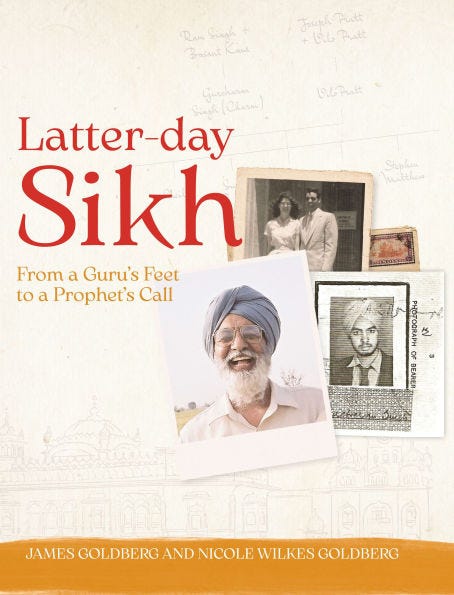
Here are four questions and answers about the book to help you decide if you’re interested.
What is Latter-day Sikh about?
My grandfather, Gurcharan Singh Gill, was the first known Sikh to become a Latter-day Saint. He was also the first mission president when independent India got its own Latter-day Saint mission. Latter-day Sikh is his biography. We start with his childhood, family life, and Sikh spiritual and cultural roots. We then show how he saw Latter-day Saint teachings and community through different eyes because of his life experiences.
The book is a look at a life of faith and a celebration of the two religions that shaped one man.
Why did you write this?
I have been thinking about how to tell this story for a long, long time. My grandpa has a fascinating story and I’ve wanted to explore it for as long as I’ve been writing. But I was intimidated. There’s so much to his life! Every few years, I’d write something that touched on his story and then give up. I didn’t feel like I was a good enough writer yet.
A few years ago, my grandpa reached out to Nicole. Before he died, he wanted to make sure there was a book available that would help people make sense of his two faiths. He asked her if she would write it. She told him she would—and recommended introducing the two faiths through the story of his life. She wanted the book to show what it was like to live in these traditions, not just what their beliefs look like in the abstract.
I asked if I could help, and they said yes. I’m glad my grandpa asked Nicole, because she had the right perspective to guide a reader without a connection to India or Sikh heritage through his experience. I’m glad she included me, because it’s been good to finally just tell stories that have been such a big part of my life.
What were you worried about? What’s so hard about telling Gurcharan Singh Gill’s story?
It’s tough to do justice to a life that’s so epic—while following a person who’s so simple, practical, and attuned to the everyday.
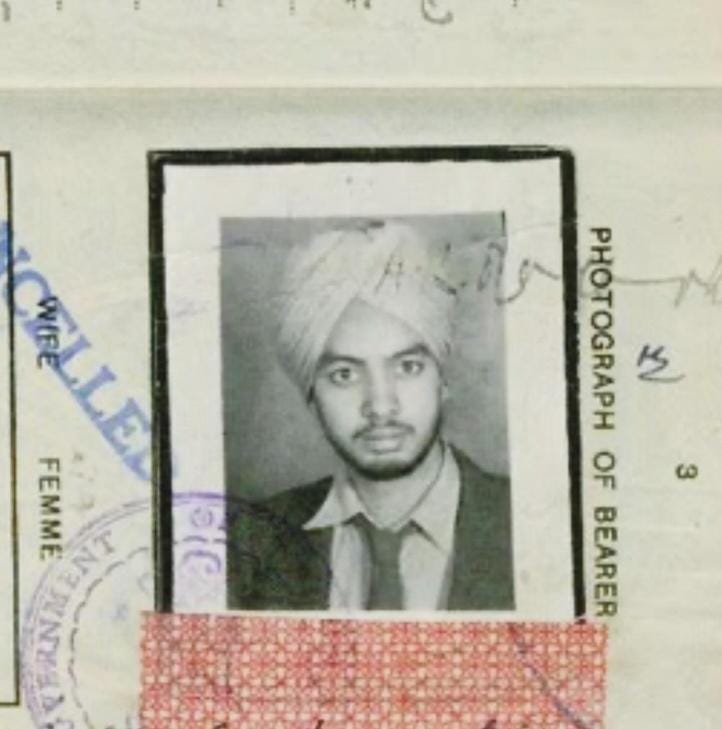
My grandpa grew up in a farming family in rural Punjab. A lot of the stories he told us when I was growing up were about things like tending water buffalo and playing a tag-like game in a banyan tree. But he was a witness to a lot of history. He spent his childhood under British rule. He was a kid during the independence movement and just hitting his teens at Partition. During that violent period, he saw dead bodies by the side of the road and ultimately watched his best friend flee to another country.
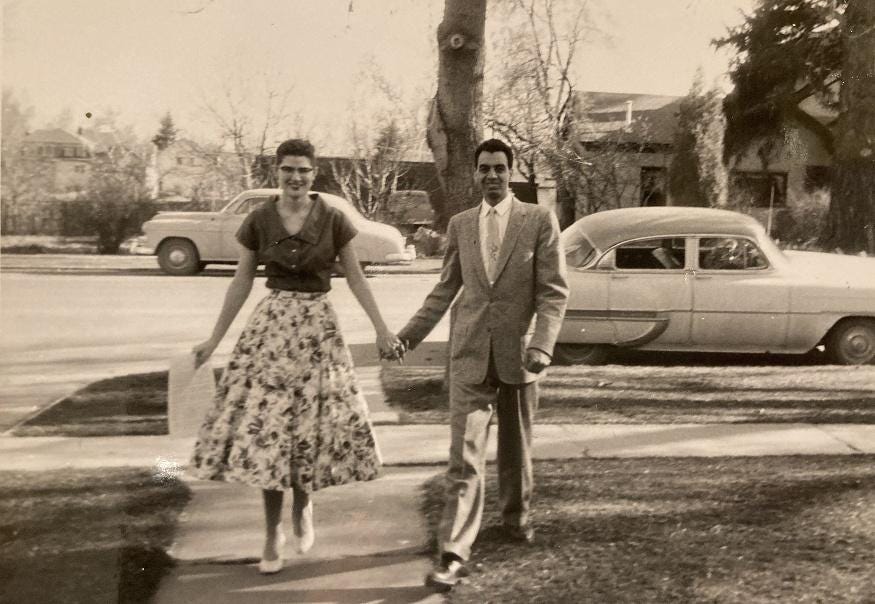
He came to the US just eight years after the Luce-Celler act, which allowed people from India to become US residents or citizens. The initial quota for the number of Indians who could immigrate each year was 100, so he was still very much a curiosity outside of the small Sikh community in the US at the time. He and my grandma got married in 1958, when interracial marriages like theirs were still prohibited by law in most states and opposed by more than 90% of Americans. They had to figure out a legal workaround to get a marriage license in Arizona, where they were sealed.
He was somebody who was devoted to his family and served in the Church throughout his life. He helped his brothers and their families come to the US and get settled here. One of the stories of Church service he liked to tell was a time when he was trying to do homework and felt a spiritual prompting to visit an old man in his priesthood quorum, who hadn’t been to Church in decades. They ended up becoming really close. That meant the world to him.
So, he’s someone who lived through some wild history, embraced two religions, and was a pioneer in many different senses of the word. And he’s also a kind and guileless person who cared about the people around him and the little things in life.
I wasn’t sure how to tell the scope of his story while capturing the feeling of how he approached it. But I think Nicole and I did a good job. Latter-day Sikh is not a long book or a dense book. It just takes the readers through a lot of different places and themes and experiences and asks you to see them through Gurcharan’s eyes.
What do you think this book offers readers right now? How does it speak to our moment?
My grandpa turned 90 this year. The world has changed a lot in those 90 years.
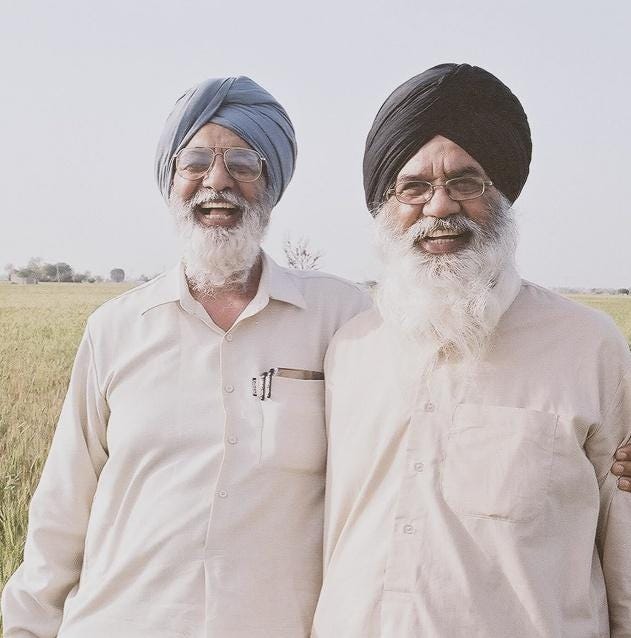
Both the Sikh and Latter-day Saint communities are much more widely spread around the world than they were 100 years ago. I hear stories all the time from Latter-day Saints about Sikh friends they’ve been impressed with. In his talk at the Church’s October 2022 General Conference, President Dallin H. Oak shared a story with Latter-day Saints around the world about the example of service offered by a Sikh couple in the United Arab Emirates. We’re encountering each other all the time—people from the two faiths should really get to know each other better!
I also think we are living in the storm after a relative calm. My teenage years were in the 1990s, when the Cold War was over and things seemed kind of stable for a little bit. Now, that sense of security and opportunity is gone. These are strange times again. And I think it’s good to go back a little in history to visit with someone who lived through hard times. Gurcharan is someone who consistently faced them with those sort of hope and stubborn persistence that both Sikhs and Latter-day Saints are known for!
Hope to read it soon!